Conversation piece on Europe’s Tech Sovereignty package
Digital sovereignty is not a European issue, but one for any government or organisation. It is about who controls the digital systems our modern societies depend on – and how those systems remain resilient, secure and aligned with public values in an uncertain world. In this, however, we need to recognise that the world is interconnected, organically and by design. These connections and relationships should be valued and leveraged (rather than cut).
Sometimes it almost feels as people are forgetting that open source falls under the paradigm of open innovation, offering a strategic tool for organisations with varying, sometimes overlapping agendas to engage in a more or less mutually beneficial process of co-opetition. The process also applies to governments and public institutions, which, like companies, may not always align, either within or across national borders.
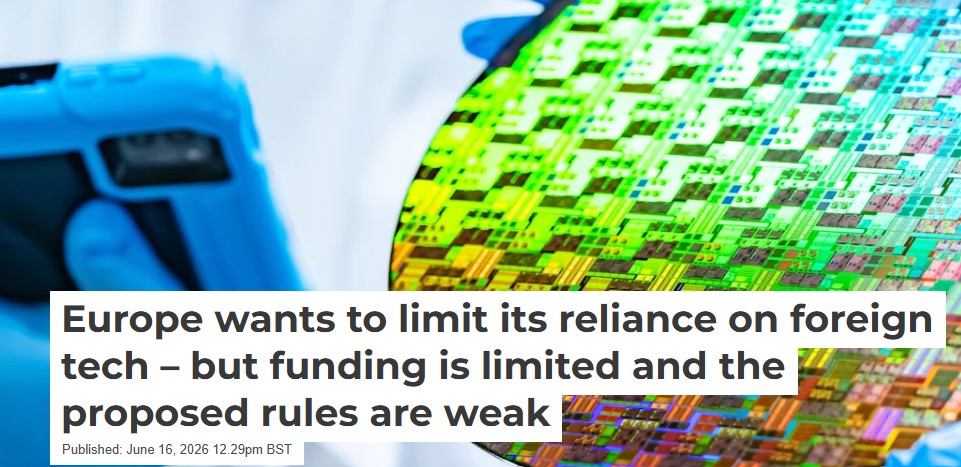
Wrote a piece on the EU Sovereign Tech package for The Conversation UK, looking at its opportunities and challenges ahead. While it does promote a Euro-centric view, it still builds on the concept of Open Strategic Autonomy – building local capabilities and capacity in areas of strategic importance, while staying open for collaboration, share and reuse. This part needs to be iteratively stressed so we avoid digital sovereignty becoming a label for protectionism and regional open source. The more reason why forums such as the UN Open Source week currently ongoing in NY needed.