The UN Open Source Enablement Compass
Today, we’re announcing the launch of the Open Source Enablement Compass (OSEC) project, a collaboration between the United Nations Office for Digital and Emerging Technologies and RISE Research Institutes of Sweden, along with our first and founding partners, GitHub and the Ethereum Foundation.
Anchored in the Global Digital Compact, OSEC is not intended as a ranking exercise, but as a way for countries to benchmark and learn from relevant peers and support more informed, context-aware decisions. It will help strengthen the use of open source in digital government, and support the global OSS ecosystems by encouraging adoption, contribution, and long‑term sustainability of OSS critical to Digital Public Infrastructure and Digital Public Goods.
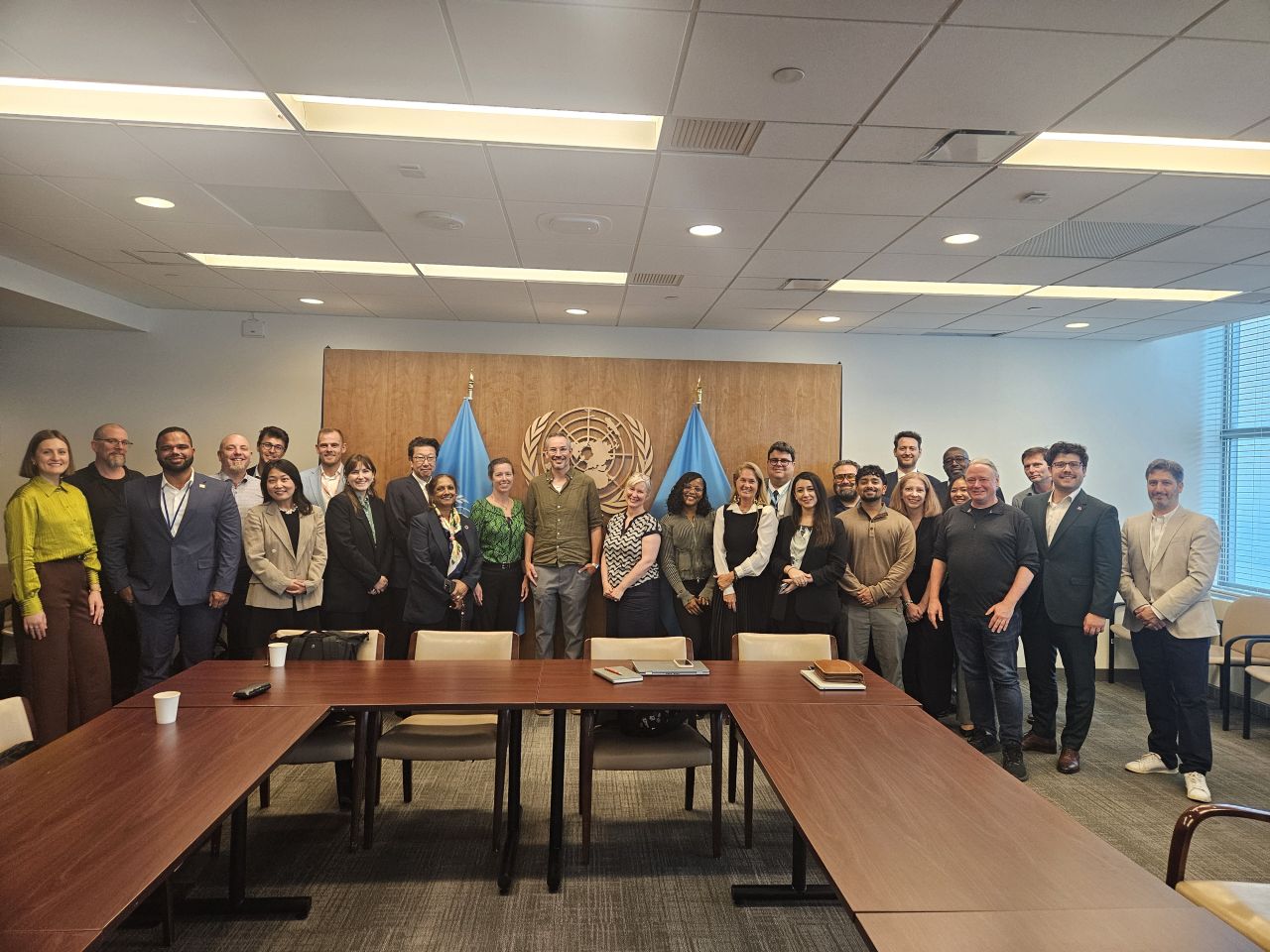
The idea has been taking shape over time, but this week, during the UN Open Source Week, we are finally kicking it off with three dedicated co-design workshops with the broader global community together. The discussion has been both very concrete and, at times, sobering about how complex this exercise actually is.
Policy and strategy, sharing and reuse, acquisition and procurement, governance, community engagement, skills development and training, vendor ecosystems, sustainability and security are among the many key aspects iterated and requiring consideration by the compass.
The design process will need to consider several aspects. Some aspects stressed include the level of granularity and complexity of metrics, costs of metric implementation and analysis, need for trust and transparency, and consideration of the wider ecosystem and data sources. GitHub and Software Heritage are some of the key partners for the latter parts.
The continued design process will be based on collaboration, sharing and reuse, and inclusivity as key principles, as each government, community, vendor, or individual brings their own experience and perspective. Organisations can contribute both as funding partners and knowledge partners to help realise and deliver the project’s envisioned value. Please reach out to me, Sachiko Muto or Omar Mohsine if you want to learn more!
The output will be a yearly report with global coverage and clear, practical indicators that highlight enablers of OSS adoption, collaboration, and governance for national governments. A more dynamic OSEC Atlas, an interactive online platform, will also be developed, providing live data, analysis, and country comparisons.
In the coming months, additional co-design activities will happen, with iterative development and learning. As a first iteration, OSEC will go out and be applied during the first half of 2027 to a select and smaller number of countries, with a first report planned to be released during the next UN Open Source Week, and OSPOs for Good.
There is still a lot to figure out, but the level of engagement this week suggests both appetite and need for something along these lines.
More to follow as the work progresses.